
A violin can look perfectly finished yet still feel less than effortless to play. The chinrest creates pressure, a peg turns in sudden jumps, or the response feels unfamiliar after a setup adjustment. The cause does not always lie in the instrument itself. The fittings that connect it to the player and the strings deserve equal attention.
Accessories for professional violinists need to perform reliably, suit the player’s anatomy and complement the individual instrument. Chinrests, tailpieces, end buttons, pegs and fine tuners fulfil different functions. The best choices bring together practical performance, careful craftsmanship and considered design.
Accessories for Professional Violinists Begin with Playing Comfort
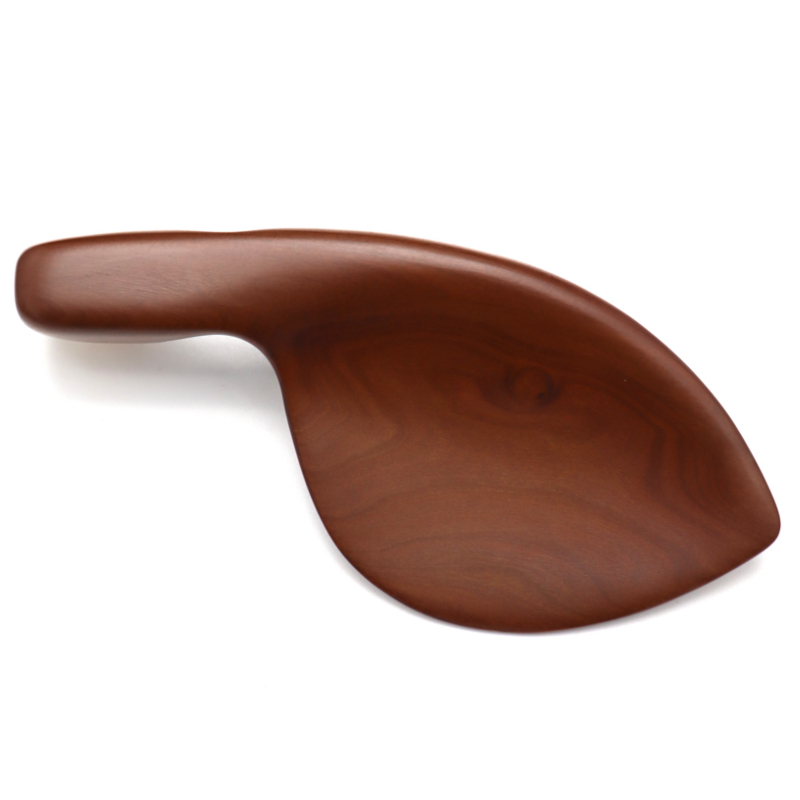
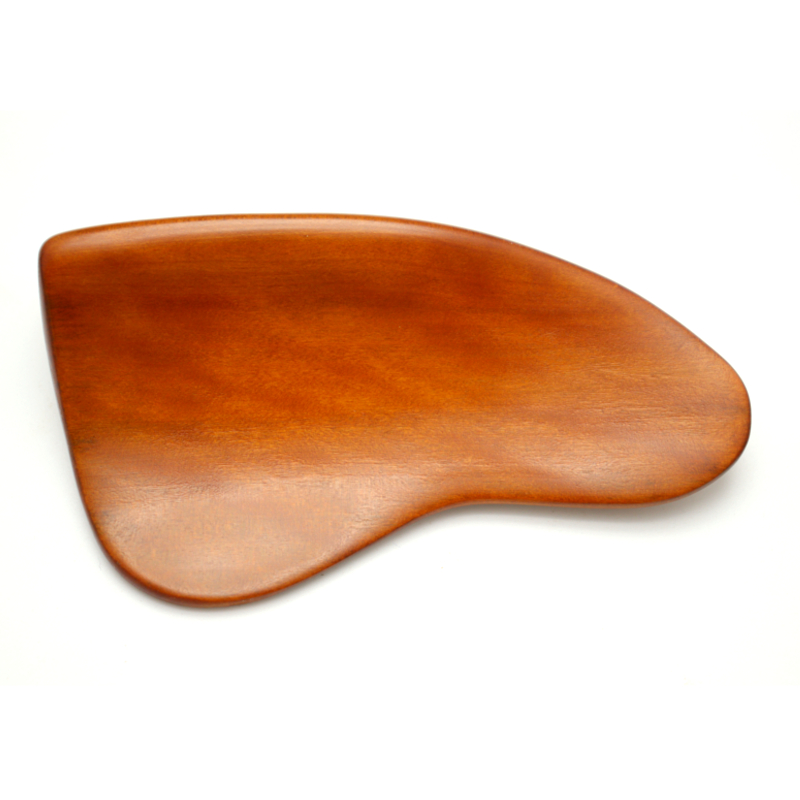
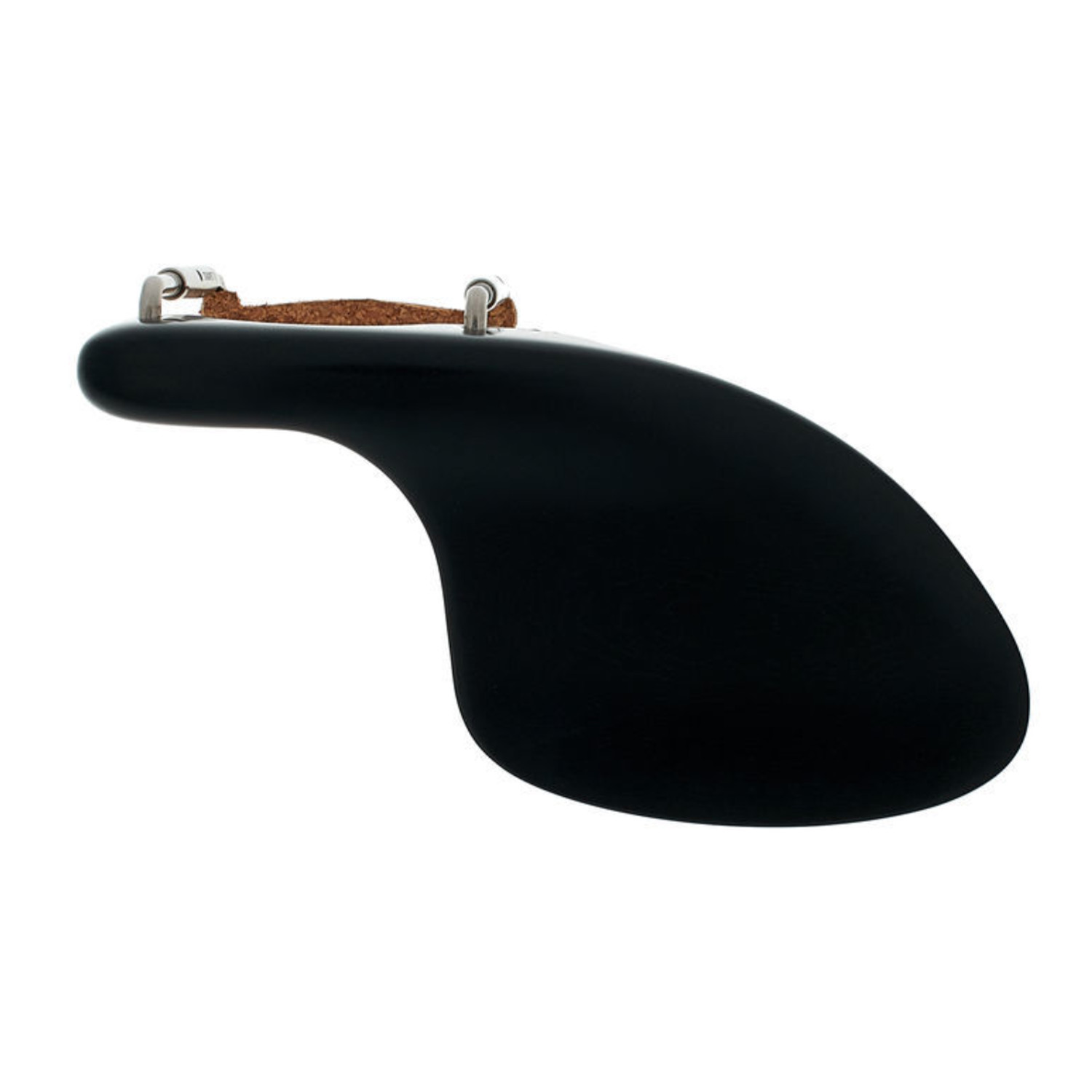
The chinrest is one of the most personal fittings on a violin. What matters is how its supporting surface fits the player’s jaw and whether it allows a playing position without excessive lowering or lifting of the head. A comfortably rounded edge can be just as important as height.
Height, cup shape, angle and the position of the supporting surface beside or above the tailpiece all need consideration. The mounting position alone does not tell you where the chin will rest: a model mounted over the tailpiece can still have a cup positioned to one side. The actual contact surface therefore matters more than the model name.
The chinrest and shoulder rest or shoulder pad should be assessed together. A higher chinrest can suit some players, but it is not automatically more comfortable. Nor can an unsuitable shape reliably be compensated for by continually raising the shoulder rest. The aim is secure contact with as little additional holding effort as possible.
Try a model with familiar passages, position changes and vibrato. Notice whether you raise your shoulder, turn your head further or unconsciously apply more pressure. How it feels after an extended playing session matters more than the pleasant impression of the first few seconds.
Correct Fitting Is Part of the Quality
Even a carefully crafted chinrest requires appropriate fitting. Protective pads must sit correctly, and the mounting hardware must suit the instrument’s edgework and rib height. The clamps should hold securely without placing unnecessary pressure on the instrument through overtightening.
There must be sufficient clearance between the chinrest and tailpiece. Contact between these components can cause unwanted noises. Professional fitting is particularly advisable for older instruments with sensitive varnish or previously restored areas.
Tailpieces: Weight, Shape and Tonal Adjustment
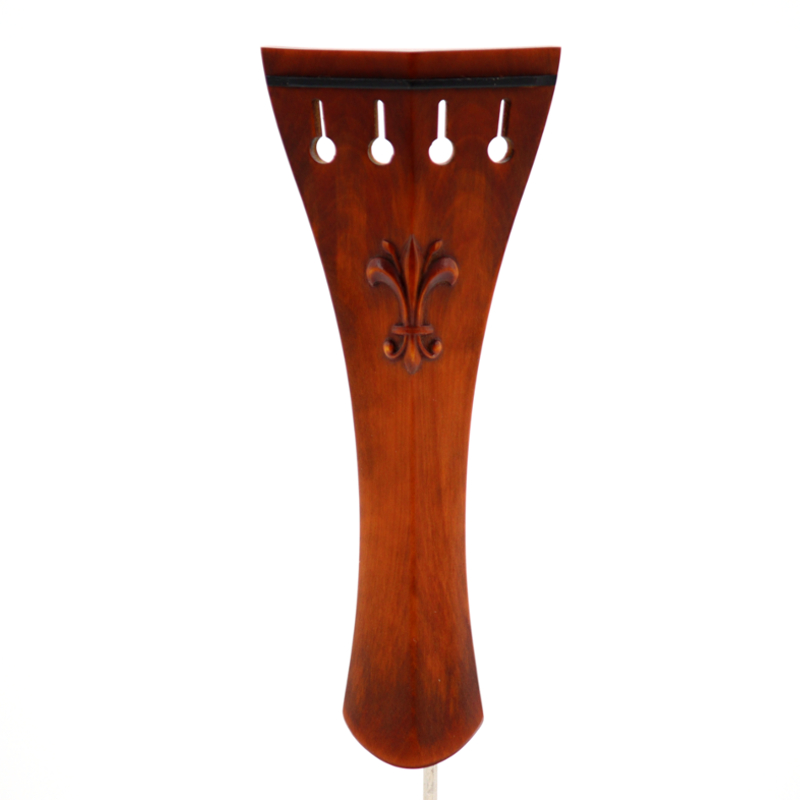
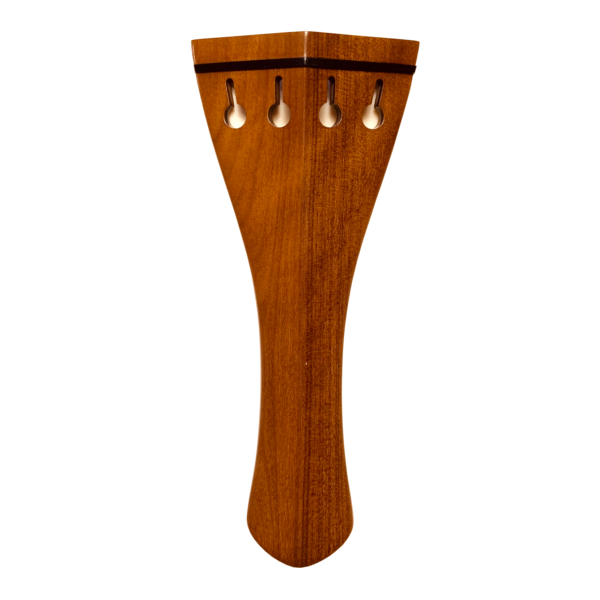
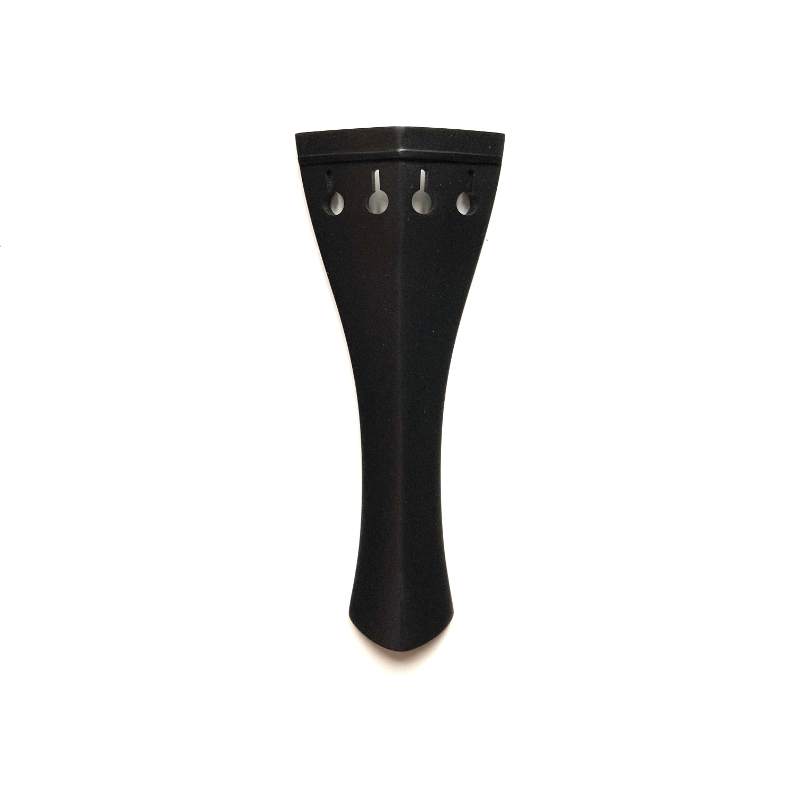
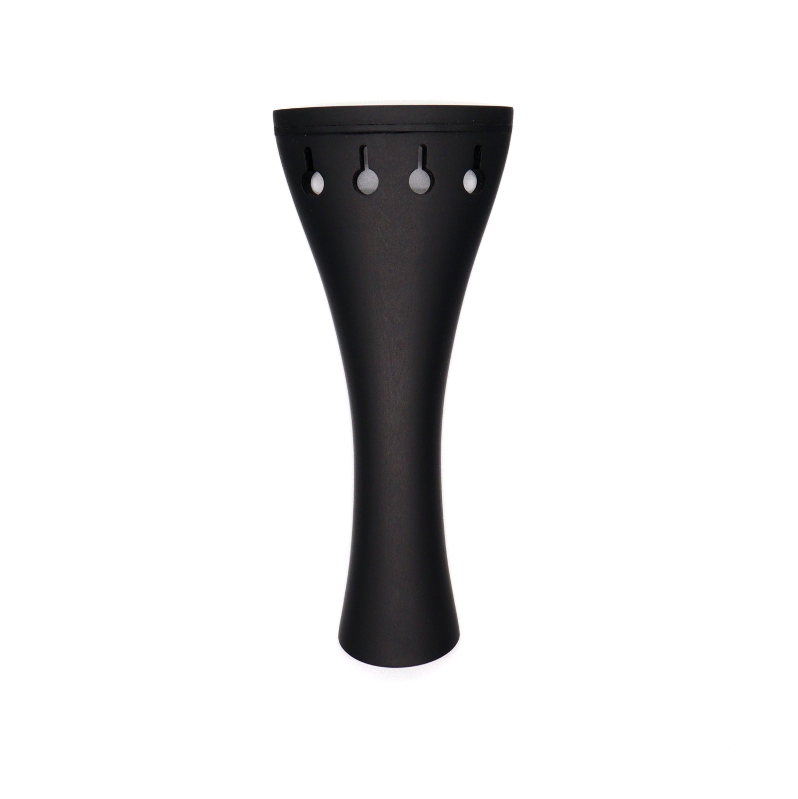
The tailpiece anchors the lower ends of the strings and is attached to the end button by the tailcord. Together with the strings, bridge and suspension, it forms a system capable of vibration. Its mass, geometry and position can therefore influence response and the balance between the strings.
However, this does not produce a simple ranking. A lighter tailpiece does not automatically sound more open, and a heavier one does not necessarily produce a darker sound. Nor does a particular wood guarantee greater volume or projection. What matters is how the individual component works with the particular violin.
Length and width matter, as do the string alignment, the shaping of the underside and the attachment of the tailcord. The strings should follow a clean path, while the tailpiece and fine tuners need sufficient clearance above the top plate. Sharp edges at attachment points or unsuitable string routing are more than cosmetic shortcomings.
A custom-made tailpiece can be worthwhile for instruments with particular requirements. A standard size provides a starting point, but it does not replace checking the actual spacing and proportions.
String Afterlength: The Ratio Matters
String afterlength is an important part of tonal adjustment. It is the free section of string between the bridge and the tailpiece fret. What matters is its relationship to the vibrating string length between the nut and bridge.
A well-established starting point is a ratio of approximately 1:6: the afterlength is about one sixth of the vibrating string length. For example, a vibrating string length of 324 mm gives a distance of 54 mm between the bridge and tailpiece fret. This relationship provides an important basis for adjusting response, resonance and tonal balance. Fine adjustments are made on the individual instrument.
To achieve this ratio with suitable suspension, the tailpiece length and tailcord must work together. The free length of the tailcord should be kept short so that the tailpiece has only limited additional freedom of movement. The tailpiece must not rest on the saddle or top plate, but an unnecessarily long tailcord should not allow it to swing too freely either.
The appropriate tailpiece length therefore allows both the desired distance between bridge and fret and a short, securely guided suspension with sufficient clearance from the instrument. Careful tonal adjustment depends on these settings working together.
The End Button: Secure Fit and Correct Tailcord Alignment
The end button also plays an important role in the violin’s function and tonal adjustment. It anchors the tailcord, which connects the tailpiece to the instrument. Its fit, shape and dimensions therefore deserve as much attention as the tailpiece itself.
The end button must fit securely and firmly in the hole in the lower block. Its tapered shank must be accurately fitted, with even contact. An end button that rocks or does not seat correctly compromises the security of the attachment and can noticeably alter the violin’s tonal behaviour.
Its distance from the ribs also matters. The end button should sit neither too close to them nor project unnecessarily far. The tailcord needs enough room to follow a clean path. At the same time, the head should not be so prominent that it presses against the player’s neck or interferes with holding the instrument.
The diameter at the tailcord-bearing area—the part around which the tailcord passes—is particularly important. If this area is too narrow in relation to the rest of the arrangement, the two strands converge towards the end button in a V shape. If it is too wide, they can spread apart towards the end button, forming a trapezoidal arrangement.
This alignment influences how the tailpiece suspension is guided and how freely it can move, potentially affecting response and tonal balance. The diameter should therefore suit the complete arrangement of tailpiece, tailcord and saddle. The appropriate dimensions are assessed on the individual instrument.
A carefully fitted end button combines secure attachment, playing comfort and a deliberately adjusted tailpiece suspension. It is a functional part of the complete setup.
Pegs Should Work Precisely and Effortlessly
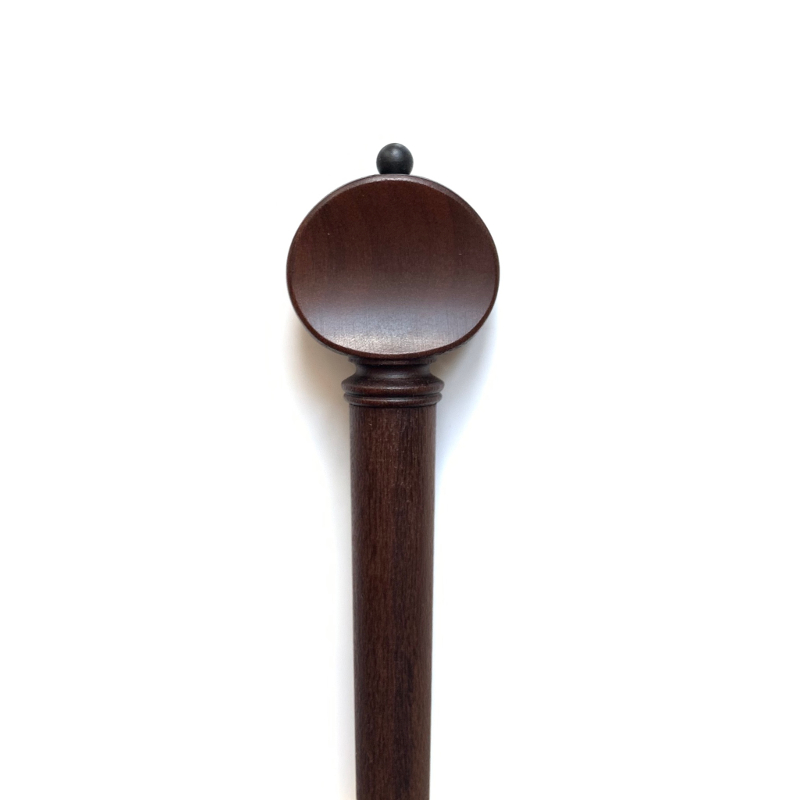
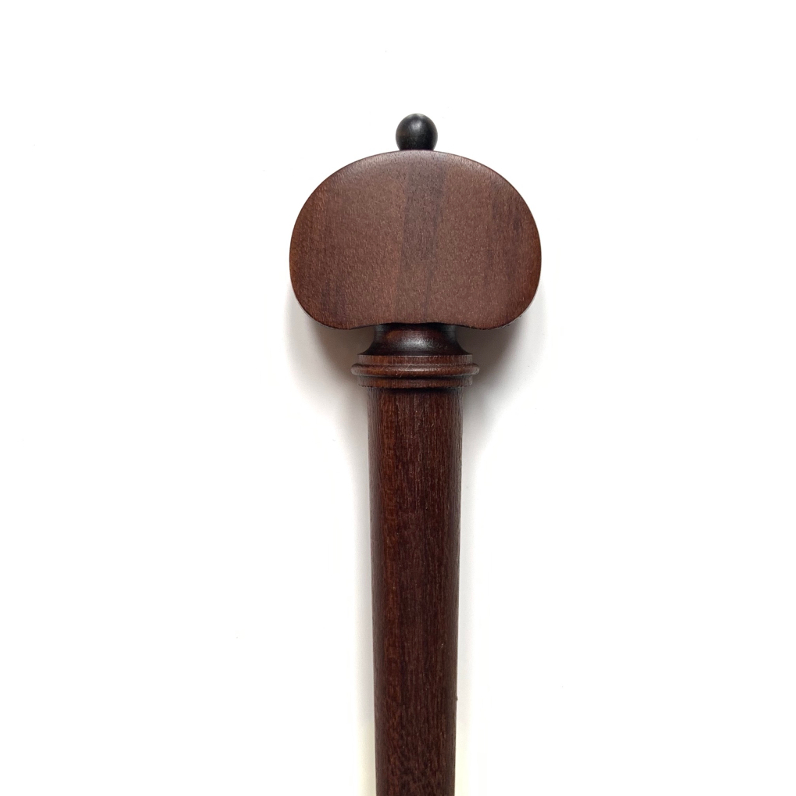
A slipping or sticking peg disrupts concentration before the first note is played. With traditional wooden pegs, the necessary friction is generated at the contact surfaces between the tapered shank and the peg hole. These surfaces must fit each other accurately for reliable operation.
New pegs are therefore not ready-fitted replacement parts. Their shanks must be fitted to the existing peg holes. This involves considering the taper, shank length, distance between the peg head and pegbox, and the position of the string hole. With historical instruments, preserving the existing material is an additional priority.
String winding also affects tuning. The string should wind neatly around the shank without becoming awkwardly trapped in the pegbox. If a peg remains stiff or repeatedly slips despite correct handling, its fit should be checked. Increasing amounts of peg compound cannot replace accurate fitting.
The shape of the head is also part of its function. It should be comfortable to grip and allow controlled movements. Finely finished edges and a pleasant surface matter just as much in daily use as visual appearance.
Choose Fine Tuners to Suit the Strings and Tailpiece
The appropriate number of fine tuners depends on the strings and the player’s requirements. They make small pitch adjustments easier, particularly with steel strings. Professional musicians can also benefit from fine tuners on several or all four strings. Their number is not a measure of playing ability.
Compatibility matters: ball-end and loop-end strings require suitable fittings. The mechanism must fit the tailpiece, the screw should turn smoothly and the adjustment range must be sufficient. Beneath the tailpiece, the mechanism must not reach the top plate, even when the screw is turned well in.
Additional fine tuners change the overall mass and, depending on their design, can affect the effective string afterlength. Their selection should therefore form part of the setup adjustment. Low weight alone does not guarantee a better tonal result. Secure string attachment, careful workmanship and reliable operation come first.
Choose Materials Thoughtfully
The material influences the appearance, feel and properties of the fittings. Not all boxwood is the same, and a dark colour alone tells you little about the weight of a finished component. Berdani works with a range of woods and alternative materials:
- Central African ebony: a dense, hard wood for a classic dark appearance.
- Boxwood and Dark Boxwood: both are made from Castello boxwood at Berdani. Their medium-brown and dark-brown colours are achieved through heat treatment in an oven, without chemical stains. The surfaces are finished with oil.
- English boxwood: a distinct, finely textured wood with a traditional appearance. It should not be confused with Castello boxwood.
- Berdani’s Dark Paper: a highly compressed paper-based material used as an alternative to ebony.
- Sonowood: densified wood offering another material option for selected fittings.
The right choice depends on the component, the desired appearance and the adjustment of the instrument. A material name alone does not define a fixed tonal character. Further information is available in our overview of Berdani materials.
A Coherent Set of Fittings Respects the Instrument
Chinrests, tailpieces and pegs do not need to match in every detail. However, a consistent design language, complementary colours and carefully balanced proportions can strongly influence the violin’s appearance. A simple set can be just as convincing as a finely carved model.
Design deserves particular care with historical instruments. New fittings should complement the violin’s character while functioning reliably under the demands of modern concert life. Visual coherence and dependable operation belong together.
How to Compare Fittings in Practice
Start with a specific question: are you looking for a more comfortable chinrest, more reliable tuning, a different response or a more suitable appearance? Defining the goal makes advice more focused and changes easier to assess.
For tonal comparisons, change only one factor at a time where possible and play the same passages under similar conditions. Listen for response at soft dynamics, string crossings, tonal colours and balance across all four strings. A second person in the room can help assess the effect from the listener’s perspective. With a chinrest, the experience over several extended playing sessions is also important.
The right fittings become a natural part of everyday playing: the pegs allow controlled tuning, the chinrest provides comfortable support and the tailpiece is adjusted to the instrument. This is the practical value of carefully selected components.
Explore our accessories for violin. If you are unsure about the model, material or dimensions, Berdani can help you choose an option that suits your instrument and your requirements.