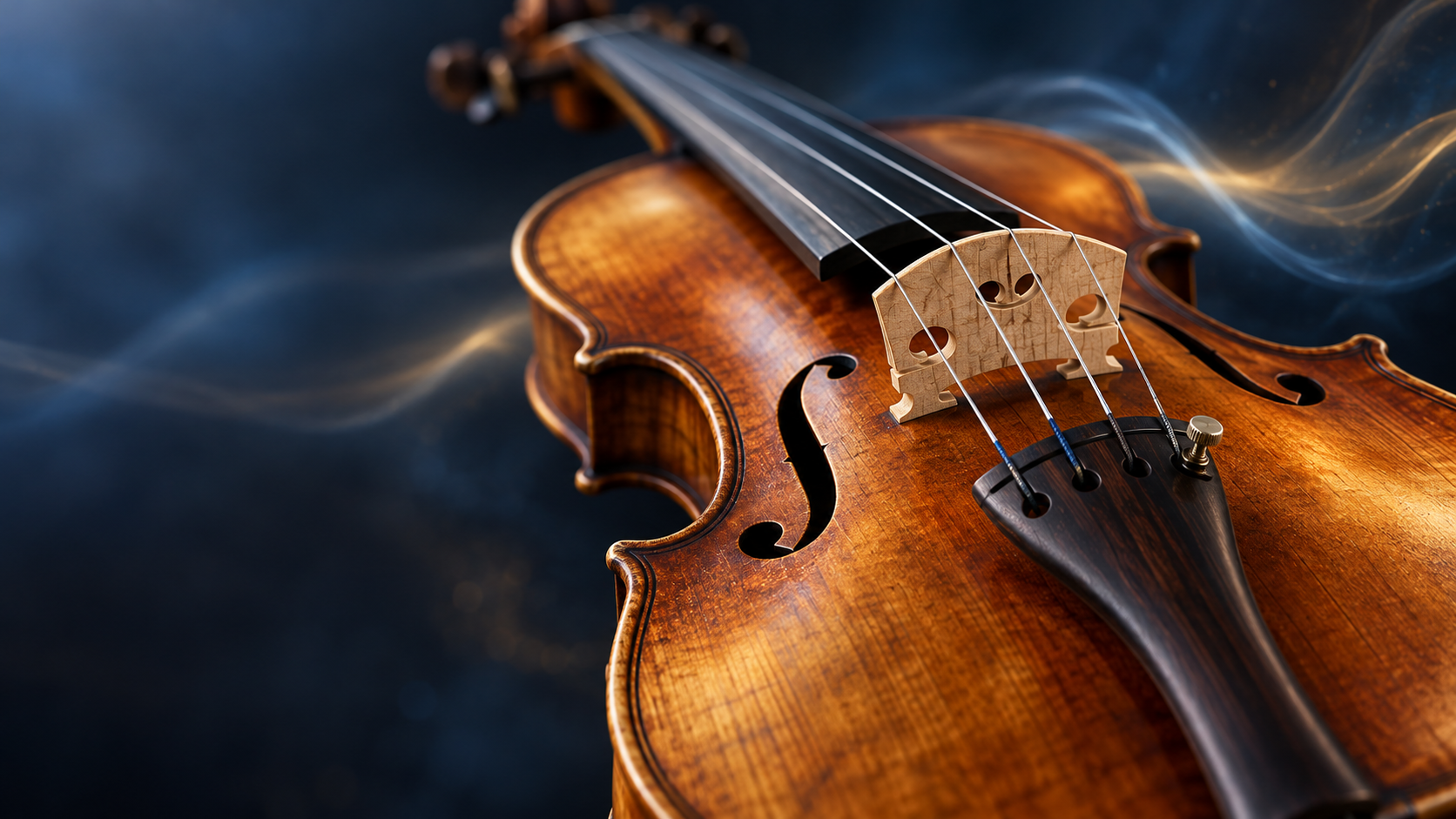
You pick up your violin, ready to play. But the sound is scratchy, one string feels lifeless or the instrument does not respond as you expect. Soon you find yourself wondering: is it my playing, the strings or the violin itself?
An unsatisfying sound can have several causes. Sometimes a small adjustment to your bowing makes a difference. Sometimes the strings need attention. And occasionally, the instrument’s setup deserves a closer look.
Before replacing anything, try to identify where the problem starts. These eight questions will help you work through the possibilities. Many of the suggestions also apply to the viola and cello.
1. Why Does My Violin Sound Scratchy When I Bow?
For a string to vibrate evenly, bow weight, speed and contact point need to work together. Too much weight combined with a slow stroke can produce a rough, pressed sound. A bow that unintentionally drifts towards the bridge or fingerboard also changes the tone.
Start by playing an open D string. Use a steady, even stroke and watch whether the bow travels parallel to the bridge. Reduce the weight slightly. Then try a small change in bow speed and listen to the difference.
Change just one thing at a time. This makes it easier to hear how your violin responds. If the sound remains rough despite consistent bowing, check the rosin, strings and bow hair.
2. How Much Rosin Should I Use?
More rosin does not automatically mean a better sound. The bow hair needs enough grip to set the string in motion. Too much rosin, however, can contribute to a rough tone and excessive dust.
There is no fixed number of strokes that suits every bow. The amount depends on how much you play, the rosin you use and the condition of the bow hair. A freshly rehaired bow initially needs more rosin than one that is already in regular use.
If your bow grips reliably, you do not need to apply more rosin before every playing session. If it slips across the string and produces a thin sound, a small amount may help.
After playing, gently remove loose rosin residue from the strings with a soft, dry cloth. Use a separate cloth for the body of the instrument. Have stubborn deposits removed professionally. Alcohol and household cleaners can damage the varnish.
3. Why Does My Violin Sound Dull? Are the Strings Too Old?
Strings can be past their best long before they break. Their sound often changes gradually: clarity fades, the tone becomes lifeless and the instrument feels less responsive. Because this happens slowly, it is not always obvious during daily practice.
How long a set of strings performs well depends on factors such as material, playing time, perspiration and care. A fixed replacement schedule will therefore not suit every musician.
Look closely at your strings. Are there rough patches or damaged windings? Does one string sound noticeably weaker than the others? Can you remember when you fitted the set?
Damaged strings should be replaced. If the violin still sounds dull with suitable strings in good condition, have its setup checked. Another set of strings may not address the underlying problem.
4. Why Does My E String Whistle?
You cross from the A string to the open E, and instead of a clear note, you hear a brief, high-pitched whistle. Bowing can play a part. Sometimes a finger on the left hand also brushes against the side of the E string without you noticing.
Practise the string crossing slowly and make sure the E string is free to vibrate. Notice whether the whistle occurs only during the crossing or also when you play the open E on its own.
The combination of instrument and string matters too. If the problem persists, an E string with a different construction may be worth trying. Some designs are specifically intended to reduce the tendency to whistle.
5. What Causes Buzzing or Rattling?
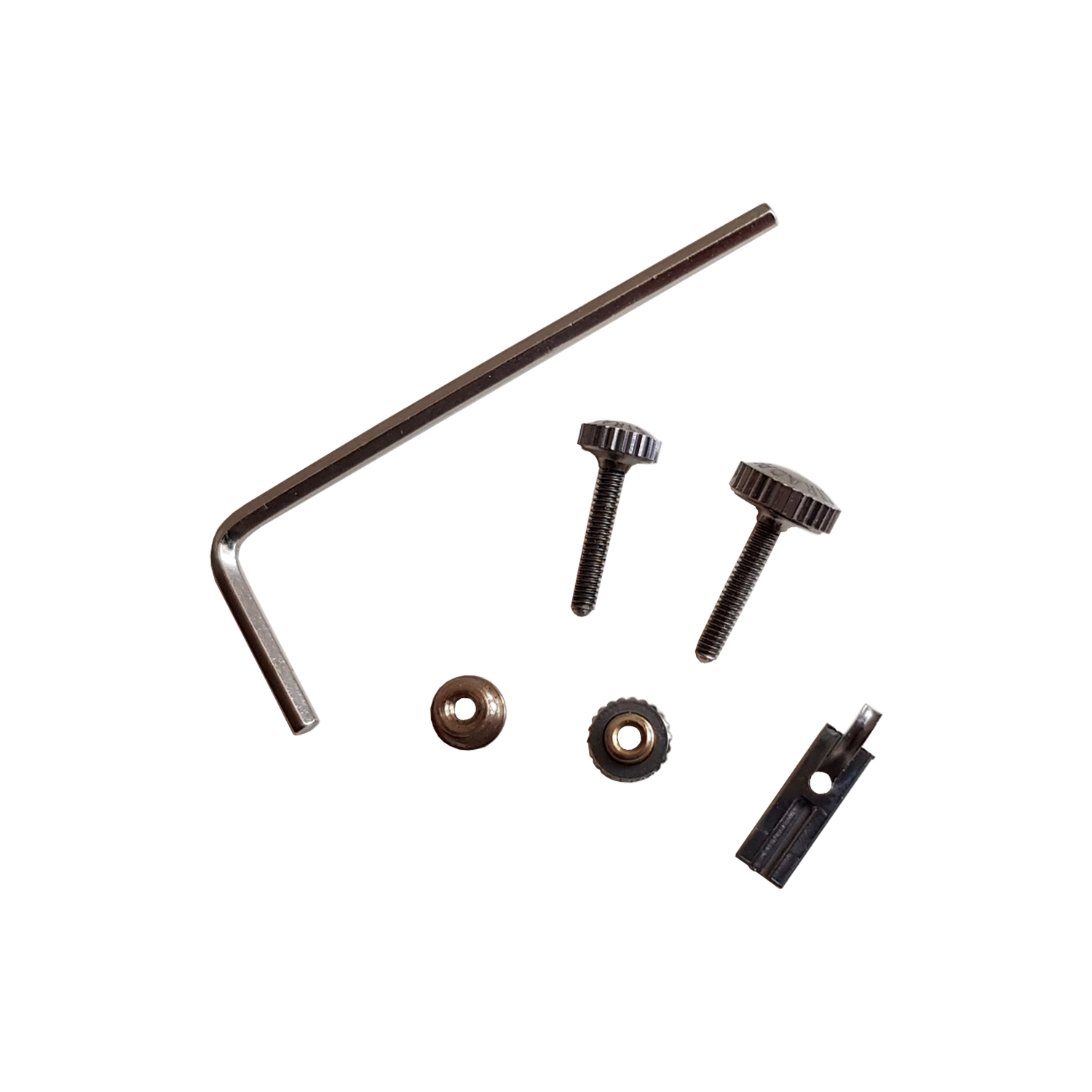
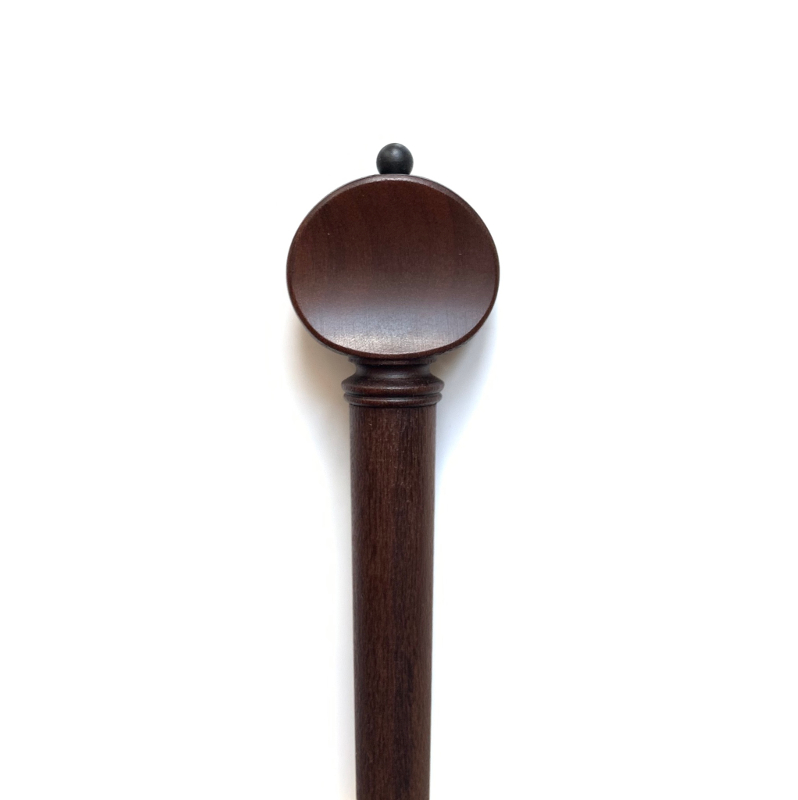
An unwanted noise may affect a single note or appear across several notes. Its source is not necessarily deep inside the instrument. A loose fine tuner or contact between the chinrest and tailpiece can be enough to cause an audible disturbance. A fine tuner with insufficient clearance above the top plate is another possibility.
First, look for fittings that are touching each other. Note which string and pitch produce the noise. A short recording can make it easier to demonstrate the problem later.
Do not simply keep tightening screws. If you cannot clearly identify the cause, a fitting touches the top plate or you notice an open seam, take the violin to a workshop for inspection.
6. Can the Weather Change My Violin’s Sound?
Yes. Wood responds to humidity, which can change conditions within the instrument, including the fit and tension of the soundpost. A violin that previously felt easy to play may respond differently under changed conditions.
Think about when you first noticed the difference. Has the heating season started? Have you travelled with the instrument? Are you playing in a different room?
A hygrometer helps you monitor humidity. Avoid placing your instrument close to a heater, in strong sunlight or in situations involving sudden changes in temperature and humidity.
If the sound remains noticeably different, have the violin checked. Do not attempt to move the soundpost yourself.
7. Can a Different Tailpiece Improve the Sound?
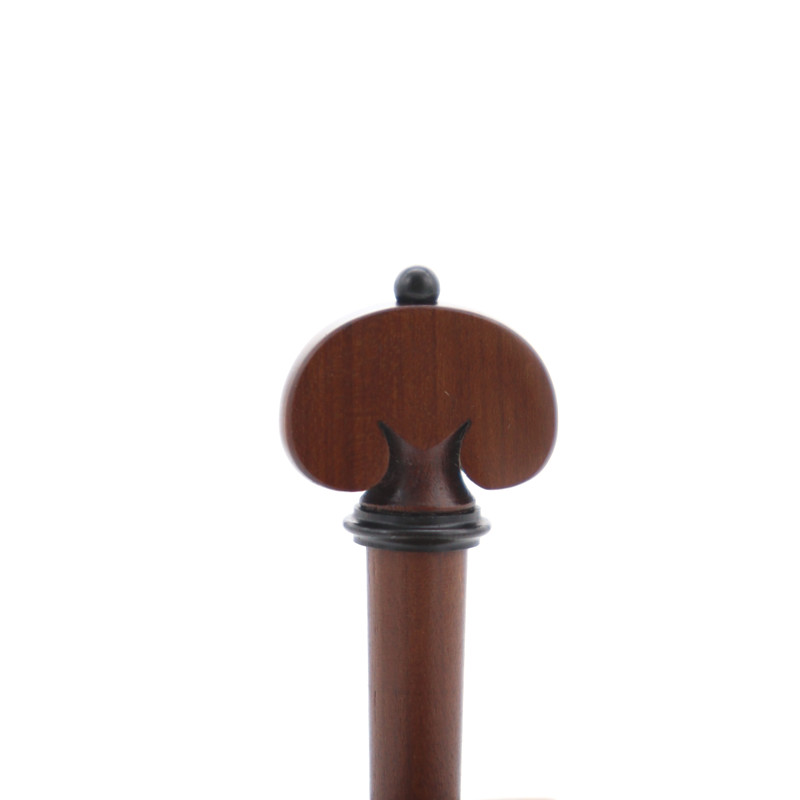
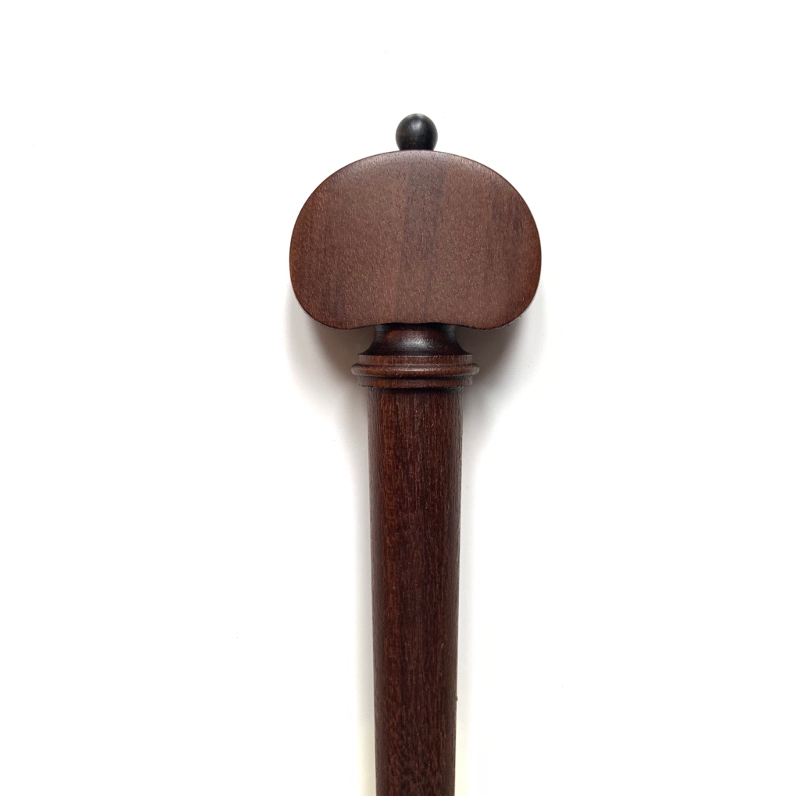
The tailpiece forms part of the violin’s vibrating system. Its shape, weight, length and mass distribution can influence how the instrument responds and how its sound develops.
String afterlength also matters: this is the section between the bridge and the string-bearing fret on the tailpiece. Choosing a tailpiece therefore involves more than considering its wood or appearance.
The lightest tailpiece is not automatically the most suitable. A model that works well on one violin may have a different effect on another.
First, consider what you would like to change: an easier response, a more even balance between the strings or a different tonal colour. This gives you and your violin maker a clear starting point for choosing a suitable tailpiece.
At Berdani, we consider material, shape and weight in relation to the individual instrument. You can read more here: Which Tailpiece Can Improve a Violin’s Sound?
8. When Should I Visit a Violin Maker?
If a change in sound persists, new noises appear or playing suddenly becomes noticeably more difficult, an inspection is worthwhile. The instrument and bow can then be assessed together.
If you notice a crack, a severely leaning or warped bridge, or a fallen soundpost, stop playing and contact your workshop. Work on the bridge and soundpost requires experience and careful fitting to the individual instrument.
Three pieces of information are particularly useful for your appointment:
- When did the problem begin?
- Which strings or notes are affected?
- What changed beforehand, such as the strings, fittings or room conditions?
Bring your bow and, if possible, demonstrate the passage or note where you notice the difference.
Get to Know Your Instrument Better
Listening closely to your instrument helps you notice changes early. Try to describe the problem precisely: is only the start of the note scratchy? Does one string sound dull? Or has the whole instrument lost its familiar ease of response?
You do not need to change everything at once. Start with the simple checks, then work through the possibilities. This makes it easier to recognise what actually helps your instrument.
If you need advice on choosing a suitable tailpiece or other fittings, we are happy to help at Berdani. The aim is to find components that suit your instrument and your tonal preferences.