A full, rounded tone or greater brightness and brilliance: the right tailpiece for your violin or viola depends partly on your instrument’s existing tonal character and the change you would like to achieve.
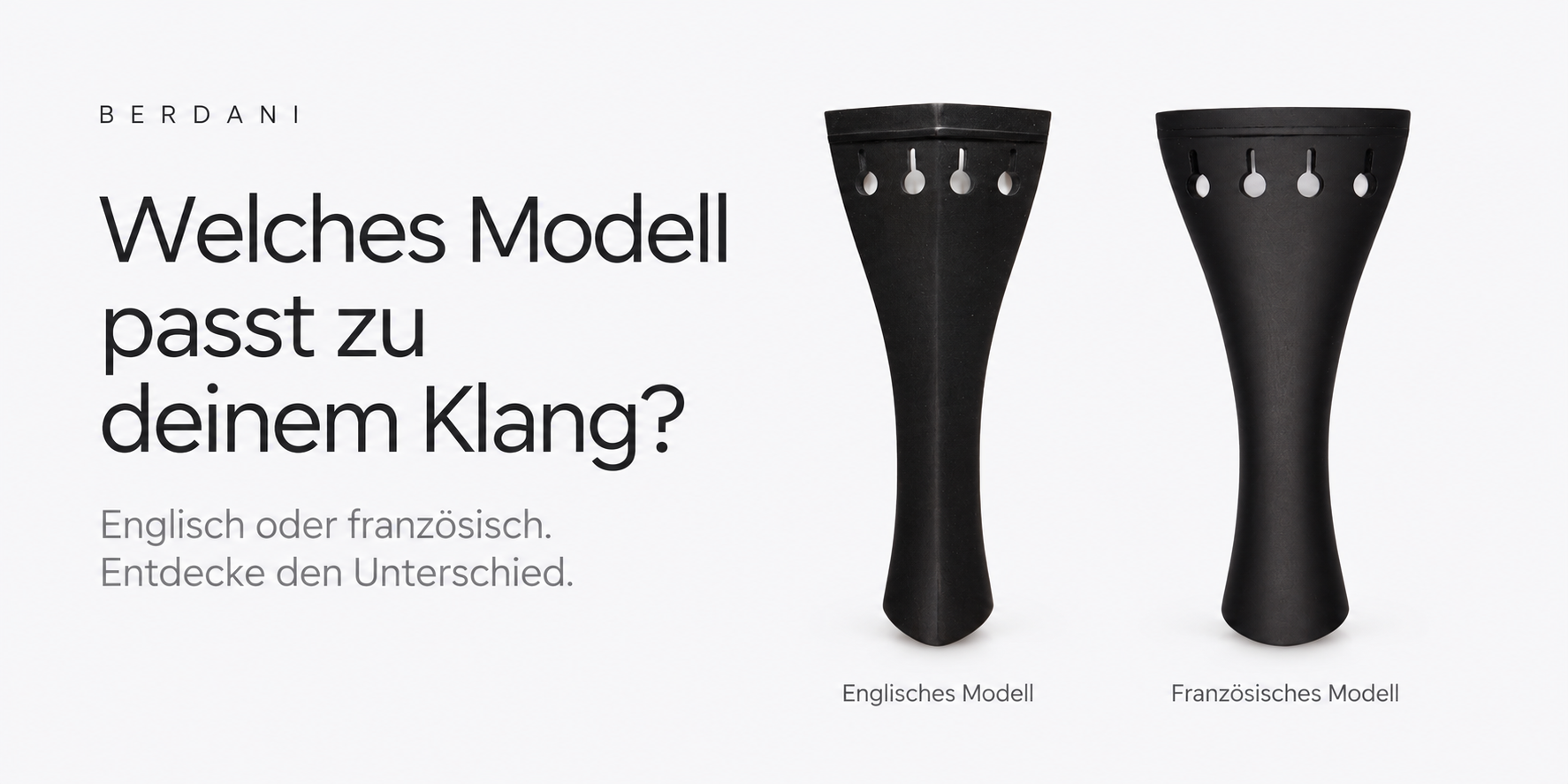
Two traditional designs are the English and French tailpiece models. They differ in shape and, depending on their construction, can support different tonal qualities. Our workshop experience at Berdani offers a useful starting point: the French model can encourage a fuller, rounder sound, while the English model can bring greater brightness and brilliance.
How can you recognise the two models?
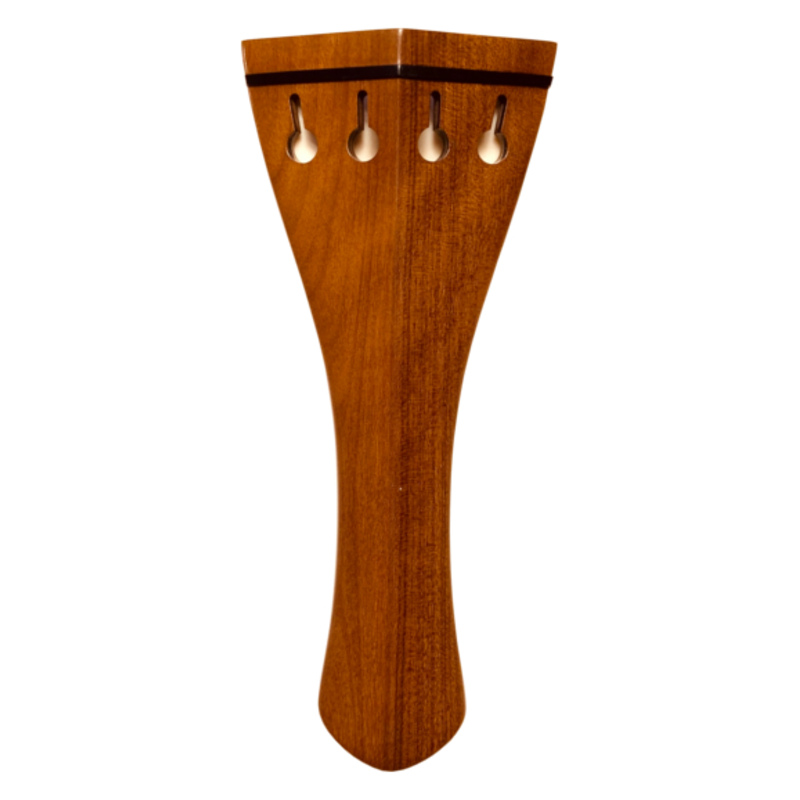
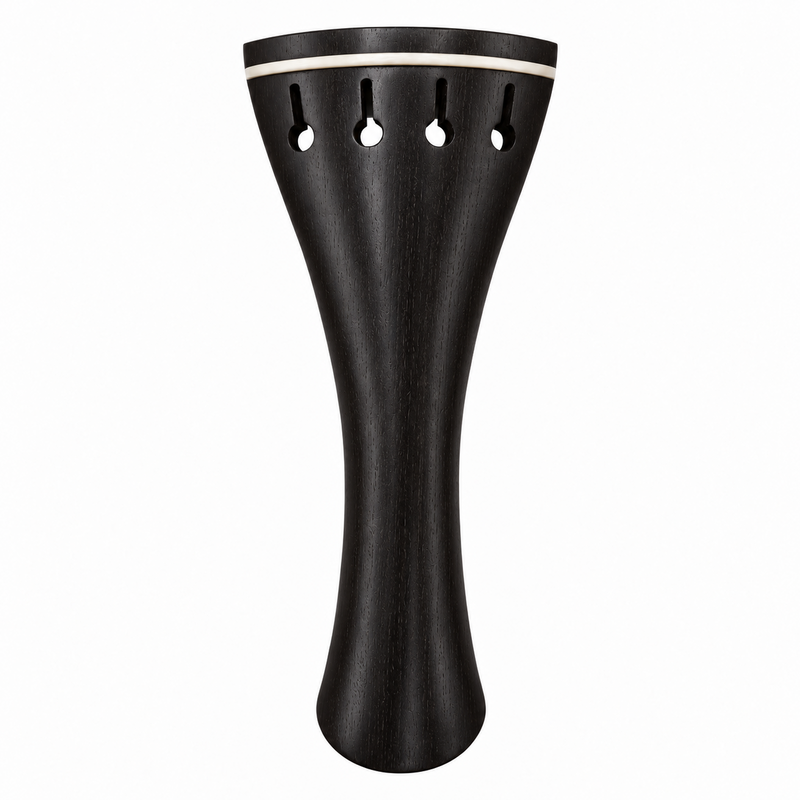
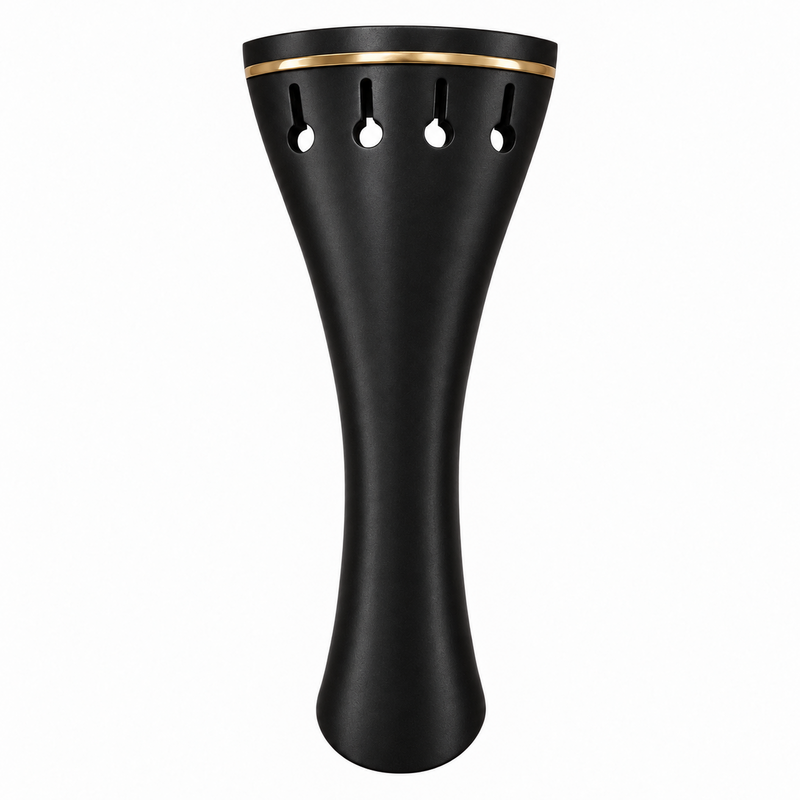
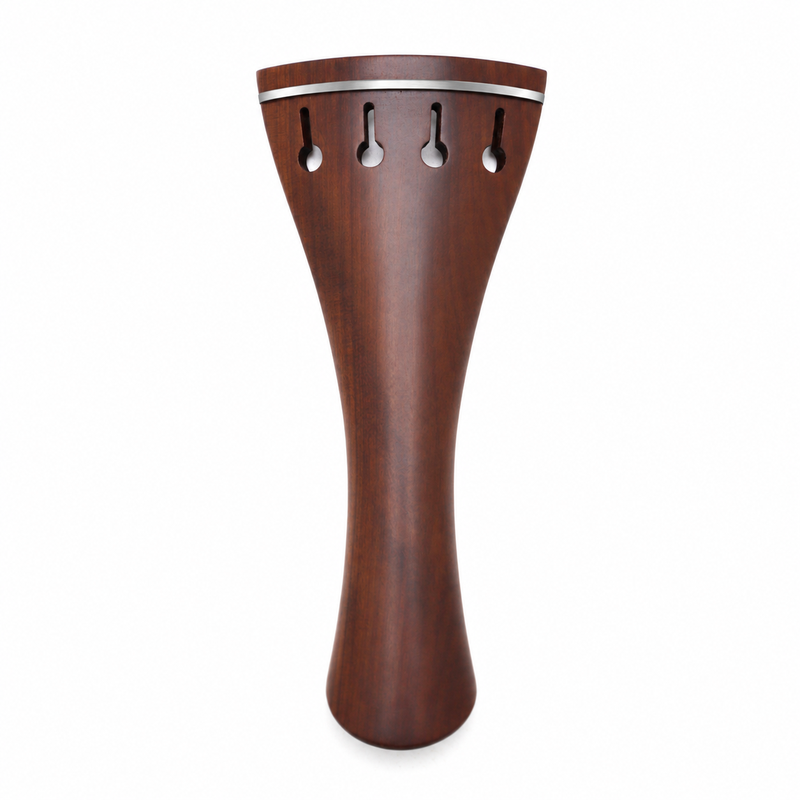
The French model has a smoothly rounded surface and flowing contours. It has no pronounced central ridge, giving it a balanced, understated appearance.
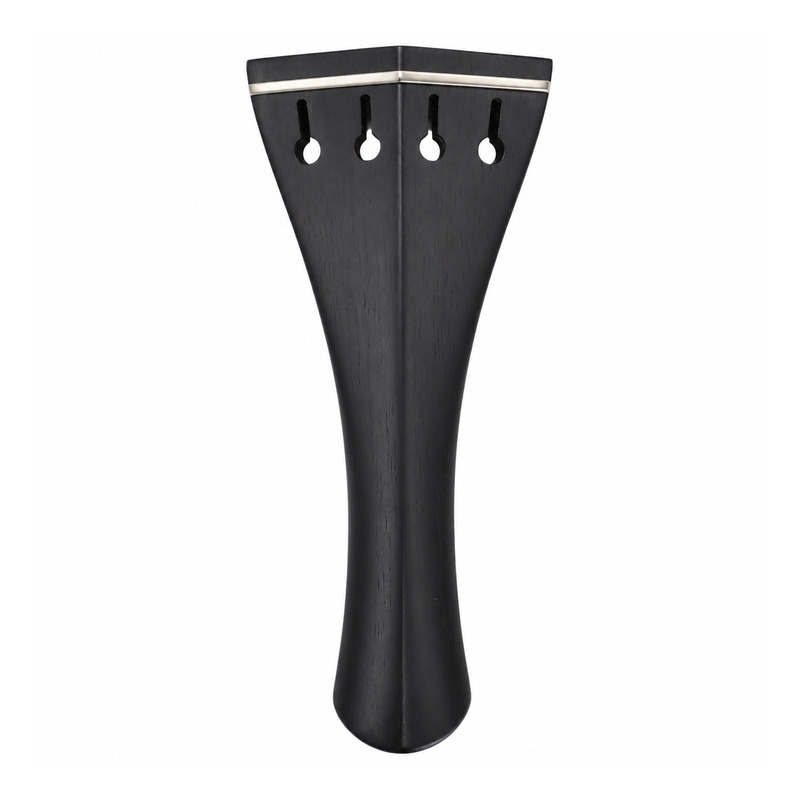
The English model, often called the Hill model, features a distinctive ridge along its centre. This creates a roof-shaped cross-section and a clearly defined profile.
In our traditional versions, the French model is slightly more substantial, while the English model has a slimmer, lighter construction. The differences therefore extend beyond appearance to the mass and how it is distributed.
The French model: a fuller, rounder and more balanced sound
Some instruments naturally have a very bright sound. This can be attractive and give the playing plenty of presence. If that brightness feels sharp or piercing, however, the tone may benefit from a little more fullness.
This is where the French tailpiece model can be a suitable choice. In our experience, it can support a fuller, rounder tonal character. A sound that feels thin may gain more body and seem more balanced overall.
The French model is particularly worth considering if you would like:
- greater fullness and substance in the sound,
- a rounder, less piercing tone,
- a more balanced character in an instrument with a very bright sound.
If your instrument sounds very bright and you would like more roundness, the French model is a useful starting point. The aim is to combine its existing clarity with greater tonal fullness.
The English model: a brighter, clearer and more brilliant sound
Other instruments have a dark, warm tonal character. That warmth can be an important part of their appeal. If the sound feels a little veiled, however, players often look for more brightness and clearer definition.
The English tailpiece model can be worth exploring for this purpose. In our workshop experience, we associate this design with a brighter, more brilliant tonal character. It can help bring greater sparkle to a dark-sounding instrument.
The English model is particularly relevant if you are looking for:
- greater brightness and brilliance,
- a more clearly defined tone,
- a more open sound from an instrument with a veiled tonal character.
If your instrument sounds dark and you would like more brilliance, it is worth trying the English model. The aim is to preserve the instrument’s appealing warmth while adding clarity.
Which model suits your instrument?
The key is the relationship between your instrument’s current sound and your personal preferences. A dark-sounding instrument does not need to become brighter if its warmth is precisely what you enjoy. Equally, a bright violin’s brilliance may be exactly what you are looking for.
If you would like to move towards a different tonal balance, these guidelines offer a starting point:
- A dark or veiled sound: try the English model if you would like greater brightness and brilliance.
- A very bright or piercing sound: try the French model if you would like greater fullness and roundness.
These observations reflect our experience with our particular versions of the two models. They are not a fixed rule for every tailpiece or instrument. Material, weight and craftsmanship also play a part. The most suitable combination becomes clear through playing and listening to your own instrument.
English and French tailpieces from Berdani
At Berdani, we craft both traditional models with careful attention to their shape, proportions and function on the instrument. For us, choosing a tailpiece begins with a simple question: what do you like about the sound of your violin or viola, and what would you like to change?
Tell us about your instrument’s current sound and what you are looking for. Whether you would like greater roundness and fullness or more brightness and brilliance, we can help you choose a suitable tailpiece model.